
Implants Near Me
The Ultimate Checklist: Finding a Dentist for Implants Near Me Who Accepts Your Insurance
Deciding to get dental implants is a major step toward restoring your smile and improving your quality of life. This advanced dental solution offers a permanent, natural-looking replacement for missing teeth. However, the success of the procedure—and the ease of the process—heavily depends on finding the right dental professional. The search can feel overwhelming, especially when you factor in insurance coverage. You need a dentist with the right skills, experience, and technology, who also accepts your insurance plan.
This guide is designed to simplify your search. We'll provide a comprehensive checklist to help you find a dentist for implants near me who works with your insurance. We’ll walk you through understanding the basics of dental implants, what to look for in a provider, and how to navigate the complexities of insurance coverage. By the end of this post, you'll have a clear, step-by-step plan to confidently choose a dentist and take the first step toward a healthier, more confident smile.
Understanding Dental Implants: A Brief Overview
Before you start your search, it’s helpful to understand what dental implants are and why they are considered the gold standard for replacing missing teeth. A dental implant is more than just a cosmetic fix; it’s a surgical component that interfaces with the bone of the jaw or skull to support a dental prosthesis such as a crown, bridge, or denture.
The structure of a dental implant has three main parts:
The Implant Post: This is a small, screw-like post, typically made of biocompatible titanium, that is surgically placed into the jawbone. It functions as an artificial tooth root. Over several months, a process called osseointegration occurs, where the jawbone fuses with the implant, creating a strong and stable foundation.
The Abutment: Once the implant has fully integrated with the jawbone, an abutment is attached to the post. This connector piece sits just above the gum line and serves as the base for the final restoration.
The Restoration: This is the visible part of the tooth. It can be a single crown (for one missing tooth), a bridge (for multiple missing teeth in a row), or a full denture (for an entire arch of missing teeth). The restoration is custom-made to match the color, shape, and size of your natural teeth.
Dental implants offer significant advantages over other tooth replacement options like traditional bridges or dentures. They provide superior stability, prevent bone loss in the jaw, and allow you to eat, speak, and smile with confidence, just as you would with natural teeth.
Key Factors to Consider When Choosing a Dental Implant Dentist
Not all dentists are equally equipped to perform implant surgery. This procedure requires specialized training and experience. Here are the most important factors to evaluate when choosing a provider.
Credentials and Advanced Training
General dentists can perform implant procedures, but those with specialized training in oral surgery or prosthodontics often have a deeper level of expertise. Look for dentists who have completed post-graduate courses specifically in implant dentistry. Certifications from reputable organizations like the American Academy of Implant Dentistry (AAID) or the International Congress of Oral Implantologists (ICOI) are strong indicators of a dentist's commitment to the field. Don’t hesitate to ask about their specific training and where they completed it.
Experience and Case Volume
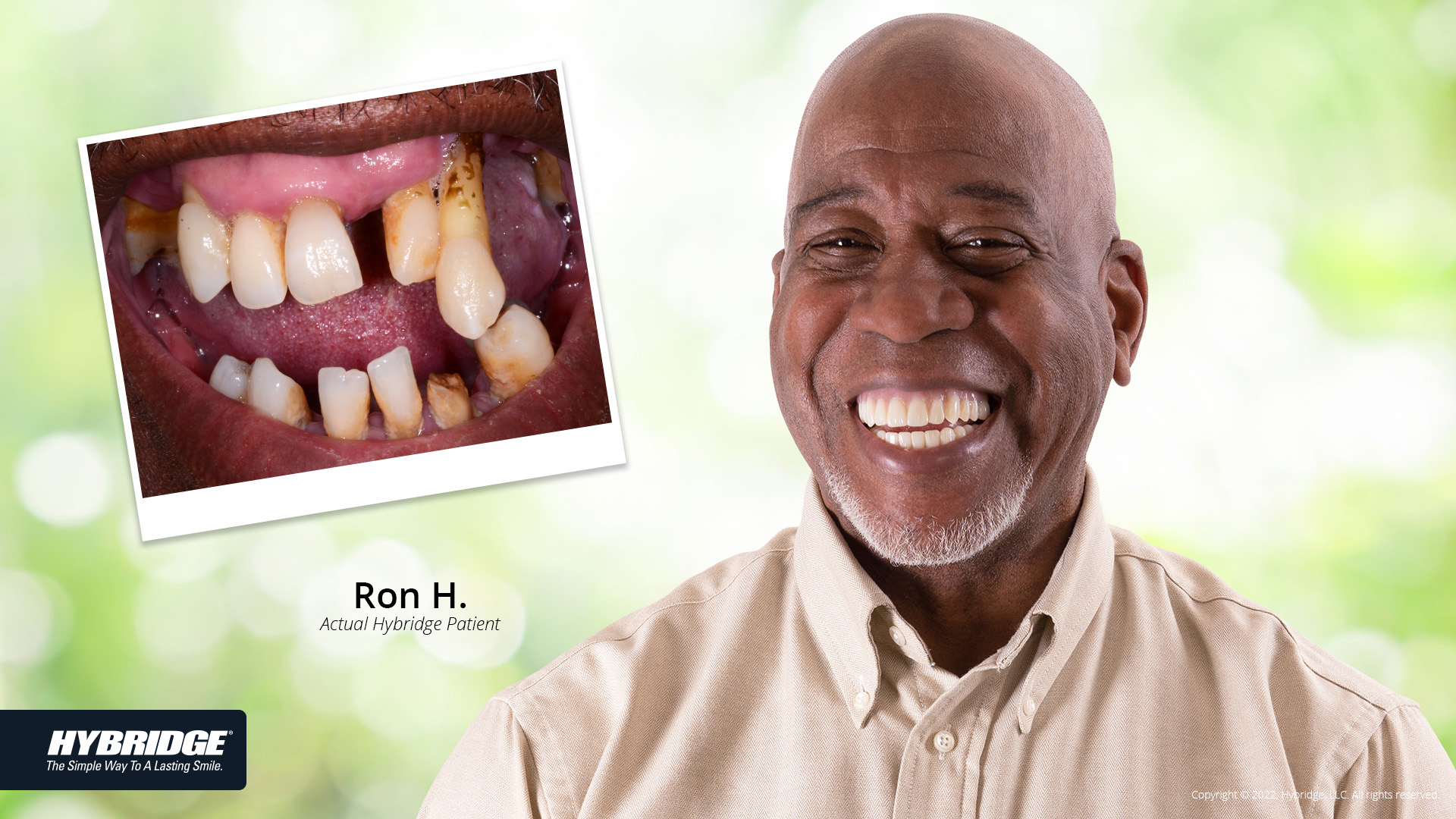
Experience matters greatly in dental surgery. Ask the dentist how many implant procedures they have performed and how long they have been offering this service. A dentist who regularly places implants is likely more adept at handling both straightforward cases and unexpected complications. You can also ask to see before-and-after photos of their previous patients. This portfolio can give you a clear idea of the quality of their work and the results you can expect.
Technology and Techniques
Modern dental technology plays a crucial role in the success and safety of implant surgery. Advanced tools can lead to more precise placement, better outcomes, and a more comfortable experience for the patient. Inquire about the technology used in the practice. Key technologies to look for include:
- Cone-Beam Computed Tomography (CBCT): This 3D imaging technology provides detailed images of your jawbone, nerves, and surrounding structures, allowing for meticulous planning of the implant placement.
- Digital Scanners: Intraoral scanners create precise digital impressions of your mouth, eliminating the need for uncomfortable traditional putty molds.
- Surgical Guides: Using 3D imaging, some dentists create custom surgical guides that ensure the implant is placed at the exact angle and depth planned, increasing accuracy and reducing risks.
Patient Reviews and Testimonials
What other patients say about a dentist can provide invaluable insight. Look for reviews on platforms like Google, Yelp, and Healthgrades. Pay attention to comments about the dentist's chairside manner, the professionalism of the staff, the cleanliness of the office, and the overall patient experience. While a few negative reviews are normal for any practice, a consistent pattern of complaints should be a red flag.
Insurance Coverage for Dental Implants: What You Need to Know
Navigating dental insurance can be one of the most confusing parts of the process. While dental implants service are becoming more common, coverage is not always straightforward. Understanding your policy is essential to avoid unexpected costs.
Is Implant Surgery Covered?
Historically, many insurance plans classified dental implants as a cosmetic procedure, and therefore, did not cover them. However, this is changing. As the functional benefits of implants—such as preventing bone loss and improving chewing ability—become more widely recognized, more insurance companies are offering partial or full coverage.
Your coverage will depend on your specific plan. Some plans may cover only the implant post, while others might cover the abutment and crown as well. Coverage can also be dictated by the reason for tooth loss. If the tooth was lost due to an accident, your medical insurance might cover part of the procedure.
How to Verify Your Coverage
The best way to understand your benefits is to contact your insurance provider directly. When you call, have your policy number ready and ask these specific questions:
- Does my plan cover dental implants?
- What percentage of the cost is covered?
- Is there an annual maximum on my dental benefits?
- Do I need a pre-authorization before starting treatment?
- Is there a waiting period for major procedures like implants?
- Does my plan have a "missing tooth clause" that excludes coverage for teeth lost before the policy was active?
Getting these details in writing or taking thorough notes during the call will help you plan your finances accordingly.

Step-by-Step Checklist for Finding a Dentist Who Accepts Your Insurance
Now, let's combine all this information into a practical checklist to guide your search.
Step 1: Create a List of Potential Dentists
Start by identifying dentists in your area who offer dental implants.
- Use your insurance provider's online directory: This is the most reliable way to find in-network dentists.
- Ask for referrals: Talk to friends, family, or your general dentist for recommendations.
- Search online: Use search terms like "dental implant dentist near me" or "implant dentist in [your city]".
Step 2: Research Their Credentials and Experience
Visit the websites of the dentists on your list. Look for an "About Us" or "Meet the Doctor" page.
- Note their educational background and any special certifications in implant dentistry (e.g., AAID, ICOI).
- Check how long they have been in practice and if they mention their experience with dental implants.
- Look for before-and-after galleries of their work.
Step 3: Read Patient Reviews
Search for each dentist on review sites.
- Read through recent reviews on Google, Healthgrades, and other platforms.
- Look for comments on professionalism, results, and patient care.
Step 4: Verify Insurance Acceptance
This is a crucial step. Do not assume a dentist is in-network just because they appear on a search list.
- Call the dental office directly. Ask the front desk staff, "Do you accept [Your Insurance Company] PPO/HMO plan?"
- Double-check with your insurance company to confirm the dentist is listed as an in-network provider. This helps you avoid "balance billing" from out-of-network dentists.
Step 5: Schedule a Consultation
Once you have a shortlist of 2-3 promising candidates, schedule a consultation with each. Many dentists offer free or low-cost implant consultations. This meeting is your opportunity to interview the dentist and assess the practice.
- Come prepared with questions: Use the list below to guide your conversation.
- Evaluate the office environment: Is it clean, modern, and welcoming?
- Assess your comfort level: Do you feel comfortable with the dentist and their staff? Do they listen to your concerns and answer your questions thoroughly?
Step 6: Get a Detailed Treatment Plan and Cost Estimate
After the consultation, the dentist should provide you with a comprehensive treatment plan.
- The plan should outline every step of the procedure, from initial surgery to final crown placement.
- It should include a detailed breakdown of costs, showing the total price, what your insurance is estimated to cover, and your out-of-pocket expenses.
- Ask about financing options, such as payment plans or third-party financing like CareCredit.

Introducing Ridge Dental Care: Your Trusted Local Implant Provider
For those in our community, the search for a qualified and caring dental implant provider often leads to Ridge Dental Care. We specialize in providing state-of-the-art dental implant solutions in a comfortable and patient-focused environment. Our team is dedicated to helping you restore your smile with precision and care.
At Ridge Dental Care, we combine extensive experience with the latest in dental technology, including CBCT 3D imaging and digitally guided surgery, to ensure the best possible outcomes for our patients. We understand that navigating insurance can be challenging, which is why our knowledgeable staff is here to help you understand and maximize your benefits. We work with a wide range of insurance providers to make high-quality dental care accessible and affordable. We invite you to schedule a complimentary consultation to see if dental implants are the right solution for you.
Taking the Next Step Towards a Confident Smile
Choosing a dental implant dentist is a significant decision, but it doesn't have to be a stressful one. By following this checklist, you can systematically evaluate your options and find a skilled provider who not only meets your clinical needs but also works with your insurance plan. Taking the time to do thorough research will pay off in the form of a successful, long-lasting restoration and a positive overall experience.
Your journey to a renewed smile begins with a single step: scheduling that first consultation. Arm yourself with knowledge, ask the right questions, and choose a dental professional you trust. A beautiful, functional, and confident smile is within your reach.
Ridge Dental Care
https://maps.app.goo.gl/44tR9KCFFgRANyhn7
619 Ridge Rd, Munster, IN 46321
(219) 491-1579
https://www.ridgedentalcare.com/

Call Today
(219) 836-1111

619 Ridge Rd Munster, IN 46321
Call Today : (219) 836-1111
Business Hours
Monday: 9:00 a.m. - 6:00 p.m.
Tuesday: 7:00 a.m.- 6:00 p.m.
Wednesday: 9:00 a.m. - 6:00 p.m.
Thursday: 7:00 a.m. - 6:00 p.m.
Friday: 9:00 a.m. - 12:00 p.m.
Business Hours
Monday: 9:00 a.m. - 6:00 p.m.
Tuesday: 7:00 a.m.- 6:00 p.m.
Wednesday: 9:00 a.m. - 6:00 p.m.
Thursday: 7:00 a.m. - 6:00 p.m.
Friday: 9:00 a.m. - 12:00 p.m.


© 2026 Ridge Dental Care. All Rights Reserved | Terms of Use | Privacy Policy