
How Much is Invisalign
How Much is Invisalign? Understanding Price Factors
A confident smile can make a powerful first impression, influencing everything from personal relationships to professional opportunities. For many, achieving that perfect smile involves straightening their teeth. While traditional metal braces were once the only option, clear aligners like Invisalign have revolutionized orthodontic treatment. They offer a discreet, comfortable, and flexible alternative that has quickly become a popular choice for adults and teens alike.
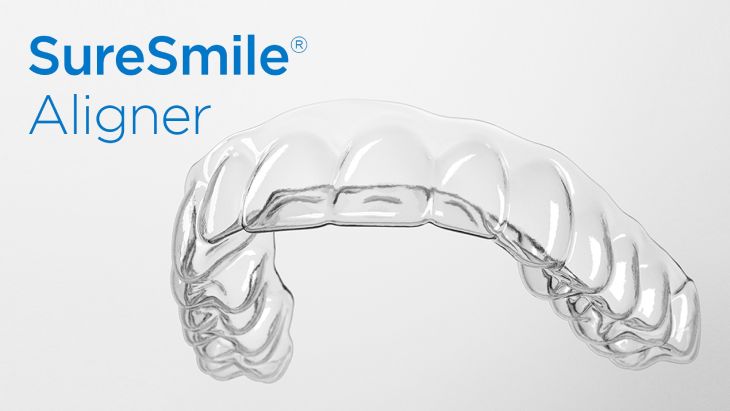
Invisalign's appeal is undeniable. The aligners are nearly invisible, allowing you to straighten your teeth without the aesthetic concerns of metal brackets and wires. They are also removable, meaning you can eat, drink, brush, and floss as you normally would. This convenience has made a straighter smile more accessible and appealing than ever before.
However, one of the most significant questions for anyone considering this treatment is: "How much is Invisalign?" The answer isn't a single number. The price of Invisalign can vary widely based on several factors, from the complexity of your dental needs to your geographic location. This guide will provide a comprehensive breakdown of the costs associated with Invisalign, helping you understand the investment required for a healthier, more confident smile. We'll explore the factors that influence the price, compare it to traditional braces, and discuss how insurance and financing options can make it more affordable.
Factors Influencing the Cost of Invisalign
The final price tag for your Invisalign treatment is not arbitrary; it's calculated based on your unique dental situation and treatment plan. Understanding these variables can help you see why costs differ from person to person.
Complexity of Your Case
The most significant factor determining the cost is the complexity of your orthodontic issues. A patient with minor crowding or small gaps between their teeth will require a shorter treatment with fewer aligners. This type of case is less complex and, therefore, less expensive.
On the other hand, a patient with severe malocclusion—such as significant overcrowding, a deep overbite, an underbite, or complex spacing issues—will need a more intensive treatment plan. This involves more Invisalign aligners, more frequent check-ins, and potentially more advanced techniques to achieve the desired results. A more complex case directly translates to a higher cost.
Duration of Treatment
The length of your treatment is closely tied to the complexity of your case. A longer treatment period means more sets of custom-made aligners are needed. Each aligner is meticulously designed to move your teeth in small increments, and you'll typically switch to a new set every one to two weeks.
A simple case might be resolved in as little as six months, requiring only 12 to 14 sets of aligners. A more complex case could take 18 months, 24 months, or even longer, requiring 50 or more sets of aligners. The more aligners required to complete your treatment, the higher the manufacturing and treatment planning costs will be, which is reflected in the final price.
Geographic Location and Dentist's Fees
Where you live plays a surprisingly large role in the cost of any dental procedure, including Invisalign. The cost of living and operating a dental practice varies significantly from one city to another. A dentist in a major metropolitan area with high overhead costs will likely charge more for Invisalign than a dentist in a smaller, rural town.
Furthermore, the experience and expertise of your chosen dentist or orthodontist can affect the price. Highly experienced providers who have achieved a top-tier Invisalign provider status (like Diamond or Platinum) may have higher fees. While it might be tempting to choose a provider based on the lowest price, remember that you are paying for their skill in designing your treatment plan and managing your progress. An experienced provider can often achieve better results more efficiently.
Additional Treatments Required
Sometimes, Invisalign is just one part of a more comprehensive dental plan. Before or during your treatment, you might need additional procedures to ensure the best possible outcome. These can include:
- Tooth Extractions: If your teeth are severely crowded, an extraction may be necessary to create enough space for the remaining teeth to align properly.
- Attachments and Buttons: Small, tooth-colored composite "buttons" may be bonded to your teeth to help the aligners grip and move them more effectively.
- Interproximal Reduction (IPR): This procedure involves slightly sanding the sides of some teeth to create extra space.
- Retainers: After completing your Invisalign treatment, you will need to wear a retainer to keep your teeth in their new positions. The cost of retainers is sometimes included in the initial Invisalign price, but it can also be a separate expense.
Any of these additional treatments will add to the overall cost of achieving your perfect smile.
Average Cost of Invisalign: A Detailed Breakdown
While the exact cost depends on the factors above, it's helpful to have a general idea of the price range. In the United States, the average cost of a comprehensive Invisalign treatment typically falls between $3,000 and $8,000.
To break it down further:
- Invisalign Express: For very minor issues (like slight relapse from previous orthodontic work), there are shorter treatment options. Invisalign Express, which involves 10 or fewer aligner sets, might cost between $1,800 and $3,500.
- Moderate Cases: For mild to moderate crowding or spacing issues, treatment costs usually range from $3,500 to $5,500. This is a common price range for many adult patients.
- Complex Cases: For severe bite issues or significant misalignment, the cost can range from $5,000 to $8,000 or more. These treatments take longer and require more intensive monitoring.
It's important to get a personalized quote from a qualified Invisalign provider like Ridge Dental Care to know exactly what your investment will be.
Understanding Insurance Coverage for Invisalign
Many people are surprised to learn that dental insurance plans often cover Invisalign just as they would traditional braces. If your dental plan includes orthodontic benefits, it will likely contribute a certain amount toward your Invisalign treatment.
The amount of coverage varies widely between plans. Some policies may cover a percentage of the total cost (e.g., 50%), while others might offer a specific lifetime maximum for orthodontic work (e.g., $1,500 or $2,500).
To find out what your plan covers, you should:
Review Your Policy: Look for the section on "orthodontic benefits."
Contact Your Insurance Provider: Call them directly and ask about coverage for "orthodontic treatment" or specifically for Invisalign (Invisalign uses the same insurance codes as braces).
Consult Your Dentist's Office: The financial coordinator at your dental practice, like the team at Ridge Dental Care, can help you understand your benefits and will often handle the process of filing the claim for you.
Financing Options and Payment Plans at Ridge Dental Care
At Ridge Dental Care, we believe that cost should not be a barrier to achieving a healthy, beautiful smile. We work with our patients to make Invisalign affordable. We offer several options to help manage the investment:
- In-House Payment Plans: We can often split the total cost of your treatment into manageable, interest-free monthly payments that align with your treatment duration.
- Third-Party Financing: We partner with healthcare financing companies like CareCredit. These companies offer low-interest or no-interest financing plans, allowing you to pay for your treatment over an extended period.
- FSA and HSA: If you have a Flexible Spending Account (FSA) or Health Savings Account (HSA) through your employer, you can use these pre-tax dollars to pay for your Invisalign treatment, which can lead to significant savings.
During your consultation at Ridge Dental Care, our team will review all of these options with you to create a financial plan that fits your budget.
Invisalign vs. Traditional Braces: A Cost Comparison
One of the most common questions is how the cost of Invisalign compares to traditional metal braces. In the past, Invisalign was significantly more expensive. However, as the technology has become more widespread, the price gap has narrowed considerably.
Today, the cost of Invisalign is often very similar to the cost of traditional braces. The price for both typically ranges from $3,000 to $7,000. In some cases, complex orthodontic work might be more effectively (and sometimes more cheaply) treated with braces. Conversely, for simpler cases, Invisalign can sometimes be the more cost-effective option.
When comparing the two, it's also essential to consider the value beyond the price tag. With Invisalign, you're paying for the benefits of comfort, aesthetics, and convenience—which many patients feel is well worth a similar or slightly higher cost.

Ready for Your New Smile?
Investing in your smile with Invisalign treatment is a decision that pays dividends for a lifetime. A straight, healthy smile can boost your confidence, improve your oral health by making teeth easier to clean, and enhance your overall quality of life. While the initial cost may seem significant, the long-term value is undeniable.
The first step toward understanding your personal Invisalign cost is to schedule a consultation. At Ridge Dental Care, we provide a no-obligation consultation where we will assess your needs, answer all your questions, and provide a clear, detailed quote for your treatment. We are committed to transparency and helping you find a path to the smile you've always wanted.
Don't let questions about cost hold you back. Contact Ridge Dental Care today to book your free Invisalign consultation and take the first step toward a more confident you.
Ridge Dental Care
https://maps.app.goo.gl/44tR9KCFFgRANyhn7
619 Ridge Rd, Munster, IN 46321
(219) 491-1579
https://www.ridgedentalcare.com/

Call Today
(219) 836-1111

619 Ridge Rd Munster, IN 46321
Call Today : (219) 836-1111
Business Hours
Monday: 9:00 a.m. - 6:00 p.m.
Tuesday: 7:00 a.m.- 6:00 p.m.
Wednesday: 9:00 a.m. - 6:00 p.m.
Thursday: 7:00 a.m. - 6:00 p.m.
Friday: 9:00 a.m. - 12:00 p.m.
Business Hours
Monday: 9:00 a.m. - 6:00 p.m.
Tuesday: 7:00 a.m.- 6:00 p.m.
Wednesday: 9:00 a.m. - 6:00 p.m.
Thursday: 7:00 a.m. - 6:00 p.m.
Friday: 9:00 a.m. - 12:00 p.m.


© 2026 Ridge Dental Care. All Rights Reserved | Terms of Use | Privacy Policy